

Weight loss medication23 articles · Updated 23 September 2026
All about Ozempic (semaglutide)
 By Nazanin Ahmadi Mozafari
 Medically reviewed by Nagita Grover-Khatri
More about Ozempic
You see Ozempic everywhere: in the news, on social media, in conversations about weight loss. Perhaps your GP mentioned it, or someone around you uses it. What exactly is it, who is it intended for and what does it mean if you are considering it to lose weight?
What is Ozempic?
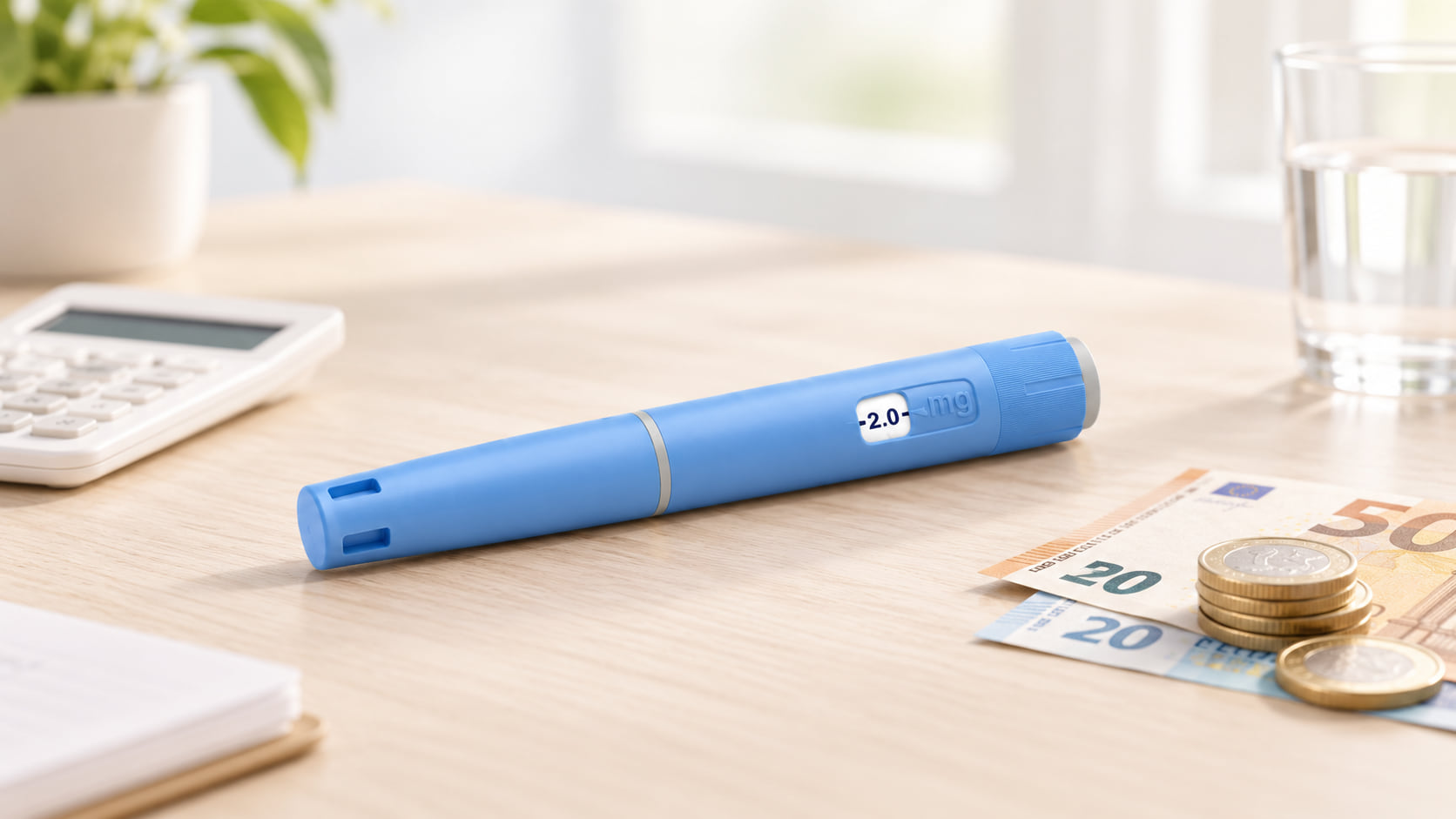
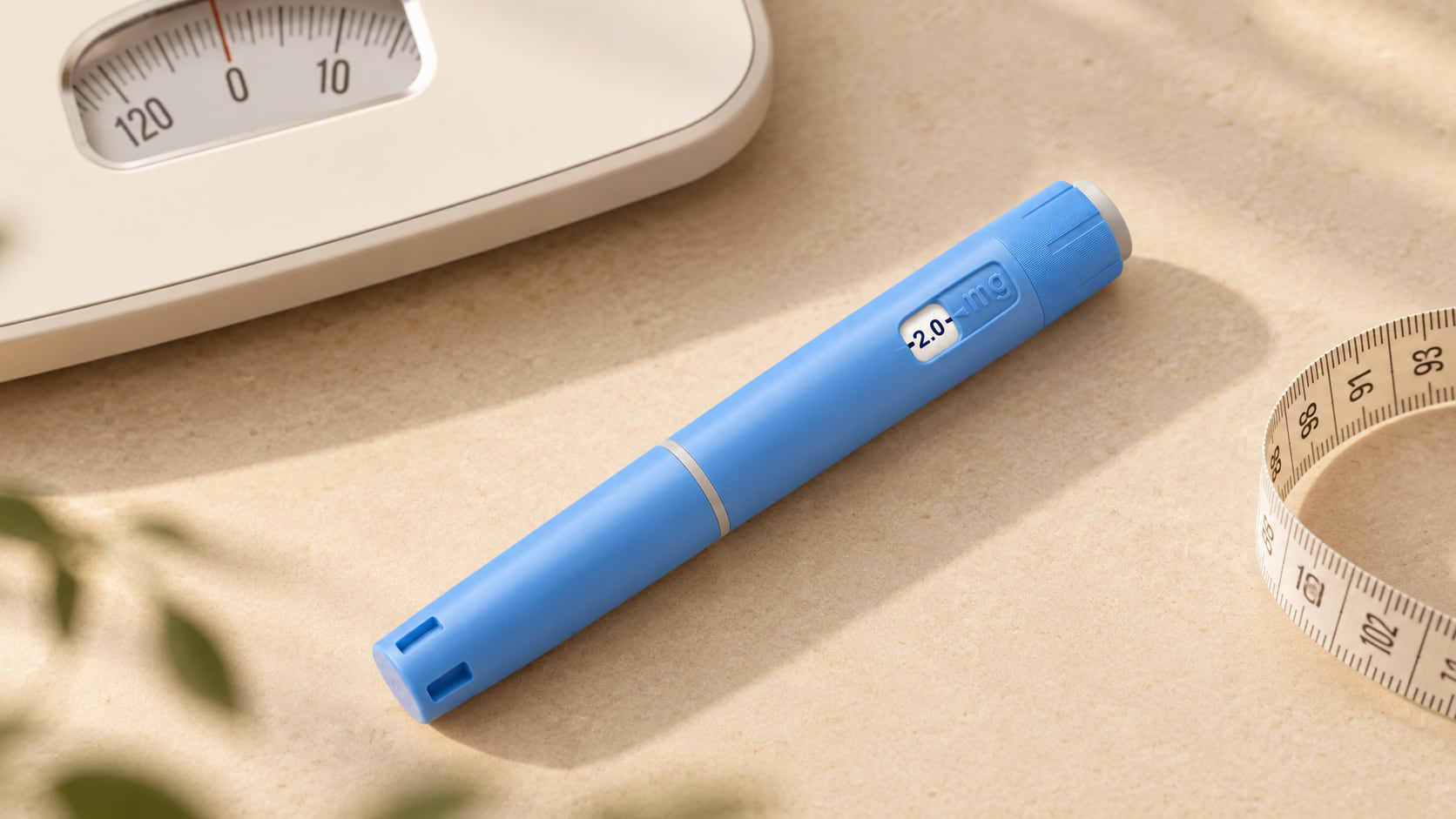
Ozempic is a medicine with the active ingredient semaglutide, a GLP-1 receptor agonist. It is registered for the treatment of type 2 diabetes and is injected under the skin with a pen once a week, on prescription. Because it suppresses appetite, doctors also prescribe it off-label for overweight.
The medicine is made by Novo Nordisk and has been authorised in the European Union since 2018, according to the European Medicines Agency (EMA) solely as an addition to diet and exercise in adults with type 2 diabetes. Ozempic is only available as an injection pen, in strengths from 0.25 to 2 mg per week. A tablet with the same substance is called Rybelsus, and the same substance at a higher dose for weight management is called Wegovy.
How does Ozempic work in your body?
Ozempic mimics the gut hormone GLP-1, which is released after a meal and lets your brain know that you have eaten enough. Natural GLP-1 is broken down within minutes; semaglutide has been modified so that it stays active for about a week. That is why one injection a week is enough.
The substance acts in three places at once. In the brain, it activates the satiety centre, which reduces the constant feeling of hunger. In the stomach, it slows down emptying, so a meal stays with you longer. In the pancreas, it increases insulin release after eating and suppresses glucagon, which makes your blood sugar more stable.
In type 2 diabetes, that last effect is the goal; the weight loss is a result of the first two. How this hormone family works exactly and which medicines belong to it is covered in the explanation of GLP-1.
Ozempic for diabetes or for weight loss: the dual indication
In the Netherlands, Ozempic is registered for type 2 diabetes only. If a doctor prescribes it for weight loss, that is off-label: outside the registered use. Off-label prescribing is permitted if the doctor judges that it is responsible in your situation, records this and informs you about it.
For weight management there is a registered alternative with the same active ingredient: Wegovy. According to the semaglutide product text of the Farmacotherapeutisch Kompas (the Dutch reference work on medicines) of Zorginstituut Nederland (the Dutch National Health Care Institute), Wegovy is registered for a BMI of 30 or higher, or 27 or higher with a weight-related condition, with a maintenance dose of 2.4 mg per week. Ozempic goes up to 2 mg. The difference between the two is set out in the article Wegovy vs Ozempic.
So why is Ozempic still used for weight loss? The substance is the same, the pen has been on the market longer and the medicine is more widely available. The downside: demand for weight loss led to shortages for people with diabetes in 2023 and 2024. How diabetes medication and weight loss relate to each other is covered in the article diabetes medication for weight loss. Qlinic does not offer Wegovy. All medicines used for medical weight loss are listed on the overview page weight loss medication.
Who is Ozempic for?
Medically, the threshold for GLP-1 medication for overweight is a BMI of 30 or higher, or 27 or higher with a weight-related condition such as high blood pressure, type 2 diabetes or sleep apnoea. That is the threshold; whether medical weight loss is right for you is assessed by the doctor. The doctor looks at your health, your other medicines and what you have already tried.
Ozempic is not suitable during pregnancy or if you are trying to conceive, with an eating disorder, with severe kidney or liver problems, after previous pancreatitis (inflammation of the pancreas) or under the age of 18. If you use insulin or a sulfonylurea, the doctor pays extra attention to the risk of low blood sugar. What is known about Ozempic and pregnancy is covered in a separate article.
A GP (huisarts) is allowed to prescribe Ozempic and regularly does so for type 2 diabetes. For overweight without diabetes, GPs are cautious and usually refer you to a lifestyle programme first. What your GP can and cannot do is covered in the article on weight loss medication from your GP.
Ozempic dosage and use in brief
You start with 0.25 mg per week and, supervised by the doctor, increase in steps of at least 4 weeks, up to a maximum of 2 mg per week. The starting dose is not a maintenance dose: it is meant to let your body adjust and to limit nausea.
| Period | Dose per week | Purpose |
|---|---|---|
| Weeks 1 to 4 | 0.25 mg | adjusting, limiting side effects |
| Weeks 5 to 8 | 0.5 mg | first maintenance step |
| After at least 4 weeks on 0.5 mg | 1 mg | increase if the effect falls short |
| After at least 4 weeks on 1 mg | 2 mg | maximum dose |
You inject on a fixed day, with or without food, in the abdomen, thigh or upper arm. One pen contains four weekly doses. Not everyone ends up on 2 mg: the doctor determines your maintenance dose based on effect and side effects. The full schedule, the pen step by step and what to do if you miss a dose are in the article on Ozempic dosage.
Ozempic side effects in brief
The most common side effects are nausea and diarrhoea (in more than 1 in 10 users), followed by vomiting, abdominal pain, constipation, headache and fatigue. They mainly occur in the first weeks and after each dose increase and usually decrease within 4 weeks. Rare but serious are pancreatitis and gallstones; if you have severe abdominal pain, call the doctor immediately.
A complete overview, including when a complaint is a cause for concern, is in the article is Ozempic dangerous. A number of topics get a lot of attention in search results and therefore have their own page:
- Appearance: the hollow-cheeked face that can develop with rapid weight loss, known as Ozempic face, is not a side effect of the substance but a result of fat loss.
- Eyes: since 2025, the very rare eye condition NAION has been listed in the product information; what is known about Ozempic side effects on the eyes is covered separately.
- Teeth: a dry mouth, reflux and vomiting put strain on tooth enamel; how to protect your teeth is covered in the article on Ozempic and teeth.
- Mood: the EMA found no causal link with low mood, but fatigue and a flat feeling are reported; read more about Ozempic and mood.
- Alcohol: in moderation is possible, but alcohol hits harder with a slower stomach; the considerations are in the article on Ozempic and alcohol.
What can you expect from Ozempic?
Most users notice the appetite suppression within 1 to 2 weeks; weight usually starts to drop visibly from week 4 to 8, once the dose has been built up. How much weight you lose varies from person to person and depends on your dose, your starting weight, your diet and your exercise.
What research shows: in the STEP 1 trial, published in The New England Journal of Medicine in 2021, 1,961 adults with overweight or obesity without diabetes received 2.4 mg of semaglutide or a placebo weekly for 68 weeks, alongside lifestyle support. The semaglutide group lost an average of 14.9% of their body weight, the placebo group 2.4%. That is an average with the higher Wegovy dose; with the Ozempic doses the effect is generally lower, and the result varies from person to person.
The timeline per dose step is in the article how fast Ozempic works; what users report in practice is covered in Ozempic before and after. If your weight stalls, the checklist in the article Ozempic not working for me can help. Diet and exercise determine what you do with the reduced hunger: practical guidelines are in the Ozempic diet plan and in the article on Ozempic and exercise.
Tried everything and still not losing weight? Your own BIG-registered doctor (the BIG register is the Dutch register of healthcare professionals) assesses whether medical weight loss is right for you and supports you personally. More about medical weight loss with injections →
What does Ozempic cost and is it covered?
At the pharmacy, Ozempic costs €105.59 to €184.34 per pen, depending on the strength (Farmacotherapeutisch Kompas, September 2026). One pen lasts four weeks. Basic health insurance (basisverzekering) only covers Ozempic for type 2 diabetes under the conditions of Annex 2 (bijlage 2, the list of extra conditions in the Dutch medicines reimbursement system), including a BMI of 30 or higher and insufficient results from other diabetes medication. If you use it to lose weight, you pay for the medication yourself.
Wegovy has not been included in the medicines reimbursement system; the Zorginstituut advised against reimbursing it in July 2024. So there is no reimbursed semaglutide for weight loss. The price per strength, per month and per year is in the article on Ozempic price; the insurer's conditions are in the article on Ozempic insurance coverage. Which medicines are covered under conditions is covered in weight loss medication covered by insurance.
At Qlinic, a programme with semaglutide (Ozempic) costs €250 per month, plus a one-off €400 supervision fee. This includes the prescription, home delivery through a registered Dutch pharmacy and supervision by your own doctor.
Buying Ozempic: only through a doctor, prescription and pharmacy
In the Netherlands, Ozempic is available on prescription only. The legal route has three steps: a doctor assesses whether the medicine is right for you and prescribes it, a registered Dutch pharmacy supplies it and the doctor monitors you during use. Offers without a prescription, through webshops, Marktplaats (the Dutch classifieds site), social media or from abroad, are illegal and regularly counterfeit.
The College ter Beoordeling van Geneesmiddelen (CBG) (the Dutch Medicines Evaluation Board) advises against buying without a prescription: you do not know what is in it or whether the dose is correct. "Ozempic pills" at the chemist or in a supplement webshop do not exist either; Ozempic is only an injection and the tablet with the same substance is called Rybelsus. How to recognise fake offers and how the route through a doctor and pharmacy works is covered in the articles buying Ozempic and buying semaglutide.
Ozempic as a tablet: Rybelsus
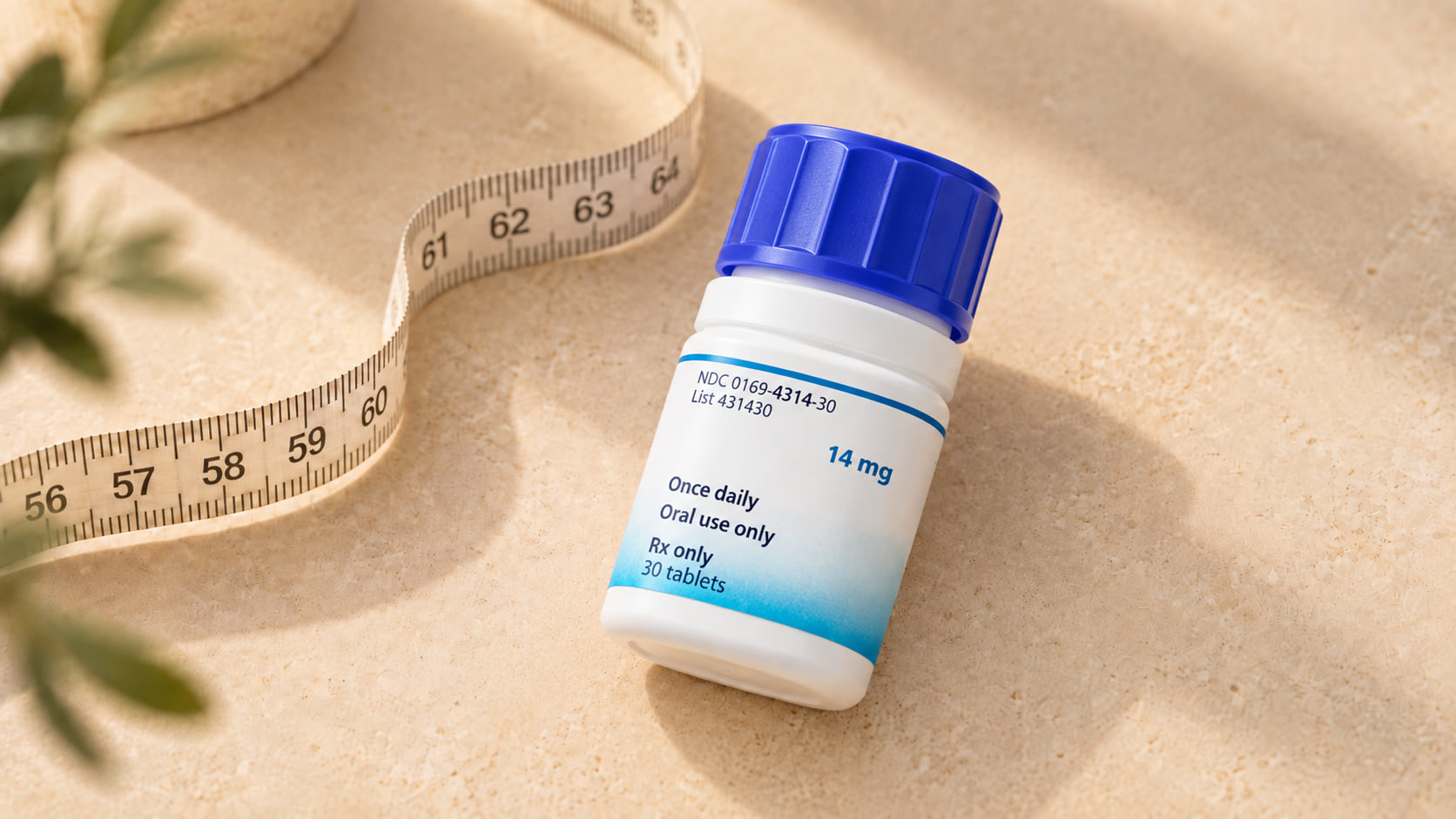
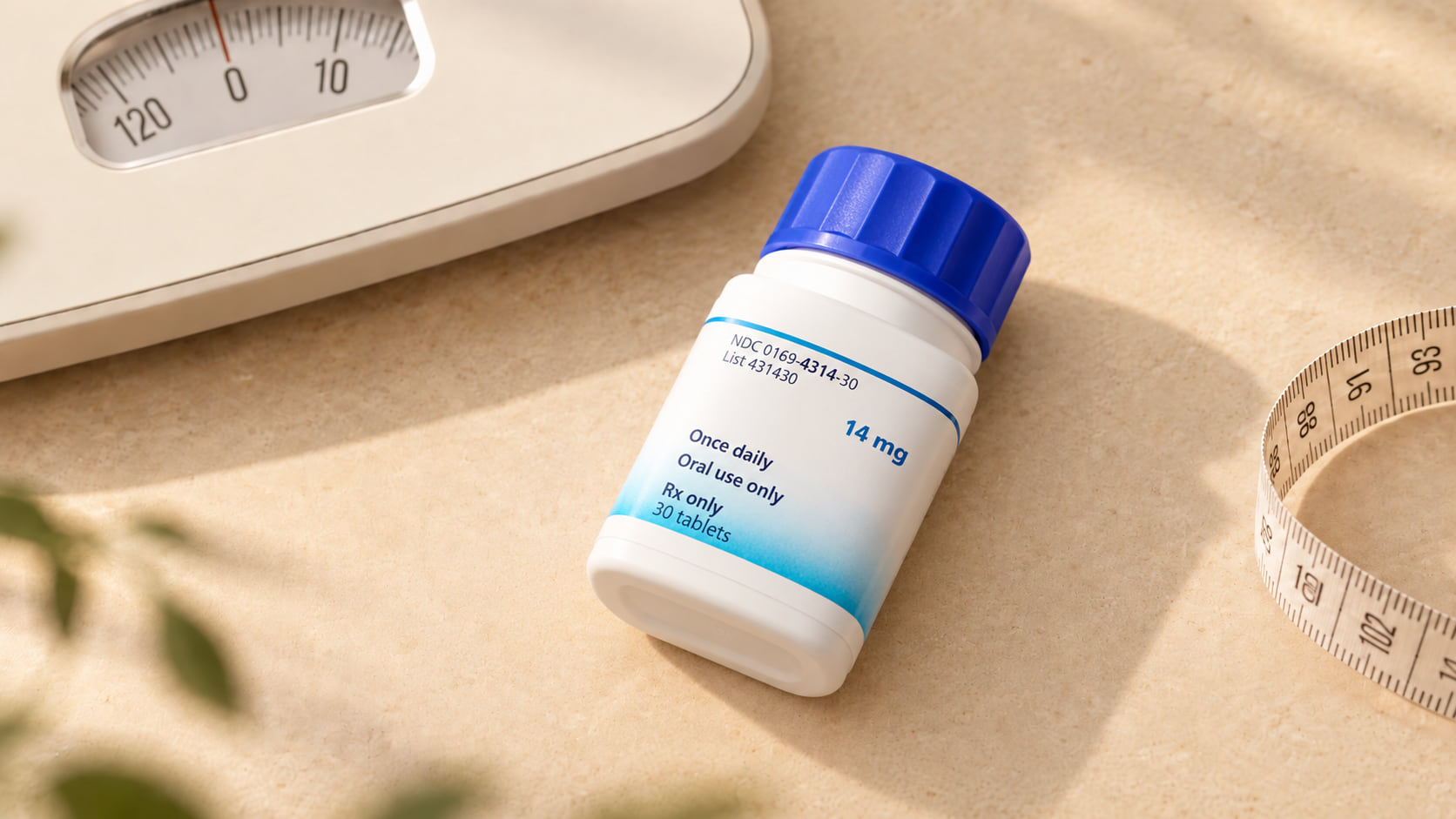
Rybelsus is semaglutide in tablet form. You take the tablet every day on an empty stomach with a sip of water and then wait half an hour before eating, drinking or taking other medicines, because the substance is only absorbed to a limited extent in the stomach. Like Ozempic, Rybelsus is registered for type 2 diabetes, not for weight loss.
Whether a tablet suits your situation is assessed by the doctor. The facts about losing weight with a pill are in the article on Ozempic pills. If you want to know how to get it legally, what it costs per strength and what users report, read on at buying Rybelsus, Rybelsus price and Rybelsus reviews.
Ozempic compared with Mounjaro, Wegovy and Saxenda
Ozempic is one of the four injectable medicines used for medical weight loss in the Netherlands. They differ in active ingredient, frequency of administration and registration.
| Ozempic | Wegovy | Mounjaro | Saxenda | |
|---|---|---|---|---|
| Active ingredient | semaglutide | semaglutide | tirzepatide | liraglutide |
| Acts on | GLP-1 | GLP-1 | GLP-1 and GIP | GLP-1 |
| Administration | once a week | once a week | once a week | once a day |
| Maximum dose | 2 mg | 2.4 mg | 15 mg | 3 mg |
| Registered for | type 2 diabetes | weight management | type 2 diabetes and weight management | weight management |
| Covered for weight loss | no | no | no, only under conditions for diabetes | under strict conditions (Annex 2) |
Mounjaro acts on two hormone receptors at once and in research led to more weight loss on average than semaglutide; the considerations are in the article Mounjaro vs Ozempic. Wegovy is the same substance as Ozempic at a higher dose and with a registration for weight loss. Saxenda is a daily injection with an older substance; what that difference means in practice is covered in Saxenda vs Ozempic. Which medicine is right for you is assessed by the doctor based on your health, your other medicines and availability.
Stopping Ozempic
You can always stop, in consultation with your doctor. After stopping, your appetite returns within a few weeks and many users regain weight, because the substance does not change the underlying cause of the overweight. That is why a treatment includes a plan for diet, exercise and the period afterwards from the very start.
Some doctors taper the dose, others stop straight away; medically there is no mandatory tapering schedule. What happens in your body after the last injection and how to maintain your weight is covered in the article on the Ozempic tapering schedule.
How medical weight loss works at Qlinic
At Qlinic, medical weight loss takes place in one programme with your own BIG-registered doctor. It starts with a consultation in which the doctor assesses your health, your BMI and your previous attempts and determines whether medical weight loss is right for you and with which medicine. The doctor then writes the prescription and a registered Dutch pharmacy delivers the medication to your home.
During the programme, the doctor sets the pace of each dose step and you have a follow-up every 4 weeks. If you have side effects or questions, the doctor is quickly available; you can always pause or stop. The structure of the programme, the supervision and the costs are on the page medical weight loss with injections.
Want to know whether medical weight loss is right for you? A few questions show you where you stand, after which the doctor assesses your situation. Take the eligibility check →
Frequently asked questions about Ozempic
How does Ozempic help you lose weight?
Ozempic suppresses appetite via the satiety centre in the brain and slows gastric emptying. You feel full sooner, have fewer cravings and therefore eat less. The weight loss results from that lower intake, not from a direct effect on fat.
How many kilos do you lose on Ozempic?
That varies from person to person. In the STEP 1 trial, participants lost an average of 14.9% of their body weight in 68 weeks with 2.4 mg of semaglutide per week, compared with 2.4% on placebo. With the lower Ozempic doses the effect is generally lower; your dose, diet and exercise determine the result.
What is the downside of Ozempic?
The most commonly reported downsides are nausea, diarrhoea, vomiting and constipation, especially during the build-up. Pancreatitis and gallstones are rare. After stopping, many people regain weight, and for weight loss you pay for the medication yourself.
What should you avoid while using Ozempic?
Do not use Ozempic during pregnancy or if you are trying to conceive, and do not combine it with other GLP-1 medicines. Drink alcohol in moderation, eat small portions and avoid fatty and very sweet food during the build-up phase. Never increase the dose yourself and do not skip any steps.
Can anyone use Ozempic?
No. Ozempic is registered for adults with type 2 diabetes and is only prescribed off-label for overweight after assessment by a doctor, usually from a BMI of 30, or 27 with a condition. It is not suitable during pregnancy, with an eating disorder, severe kidney or liver problems, previous pancreatitis or under the age of 18.
Is Ozempic dangerous?
Used under a doctor's supervision, Ozempic is a registered medicine with known side effects that are usually mild and temporary. Serious side effects such as pancreatitis are rare. The danger lies mainly in counterfeits without a prescription, whose composition and dose are unknown.
Can a GP prescribe Ozempic?
Yes, for type 2 diabetes this happens regularly. For overweight without diabetes, GPs are cautious and usually refer you to a combined lifestyle intervention (GLI, a Dutch lifestyle programme) first. An online clinic with a doctor can prescribe it after a medical assessment.
Is Ozempic available as a pill?
No. Ozempic is only a weekly injection. The tablet with the same active ingredient is called Rybelsus, which you take daily on an empty stomach. Products offered as "Ozempic pills" at chemists or supplement webshops do not contain semaglutide.
Medical weight loss with injections at Qlinic
Your own doctor assesses which medication suits you, in English or Dutch. If it is suitable, the prescription goes straight to a registered Dutch pharmacy and you are in touch with the same doctor every four weeks.
Sources
- European Medicines Agency (EMA), consulted at the time of publication.
- Farmacotherapeutisch Kompas, consulted at the time of publication.
- STEP 1 trial, consulted at the time of publication.
- College ter Beoordeling van Geneesmiddelen (CBG), consulted at the time of publication.
Responsible for this information: Qlinic B.V., Markenhaven 25A, Amersfoort. Last updated: 23 September 2026.
All articles about Ozempic
23 articles, written and medically reviewed by the Qlinic doctors. Choose a topic or search for a word.
23 articles found





Further reading

Ozempic · 7 min
Rybelsus cost: price per strength and per month in 2026
By Nazanin Ahmadi Mozafari, doctor
Ozempic · 10 min
Stopping Ozempic: tapering off and what happens next
By Nazanin Ahmadi Mozafari, doctor
Ozempic · 9 min
How fast does Ozempic work? What you notice week by week
By Nazanin Ahmadi Mozafari, doctor