

Weight loss medication17 articles · Updated 23 September 2026
All about Mounjaro (tirzepatide)
 By Nazanin Ahmadi Mozafari
 Medically reviewed by Nagita Grover-Khatri
More about Mounjaro
You hear the name everywhere: at the GP, in the news, from a colleague who lost a lot of weight with it. But what Mounjaro actually is, how it works, what it costs and whether it is right for you often remains unclear. On this page you will find the answer question by question, with a link to more in-depth information for each topic.
What is Mounjaro?
Mounjaro is a prescription medicine with the active ingredient tirzepatide, made by Eli Lilly. You inject it under the skin once a week with a prefilled pen. In the EU it is registered for type 2 diabetes and for weight management in adults with obesity, or with overweight and a weight-related condition.
That registration goes through the European Medicines Agency (EMA), which approved Mounjaro on 15 September 2022. Since then it has been available in the Netherlands through the pharmacy, on prescription from a doctor only. The medicine belongs to the same family as Ozempic, Wegovy and Saxenda, but works differently on one point. You can read about that difference below.
How does Mounjaro work?
Mounjaro acts on two gut hormones at once: GLP-1 and GIP. Both are released naturally after a meal and signal to your brain that you have eaten enough. Tirzepatide mimics these hormones and keeps that signal going for a whole week. Your appetite decreases, your stomach empties more slowly and your blood sugar stays more stable.
That dual mechanism is the difference from Ozempic, Wegovy and Saxenda, which act on GLP-1 only. You can read exactly what GLP-1 does in your body in our explanation of that hormone. The role of GIP has been known for a shorter time: it boosts insulin release and appears to strengthen the appetite-suppressing effect of GLP-1. Everything about the active ingredient is in our article on tirzepatide.
In practice you notice this as fewer cravings, feeling full sooner and thinking about food less. As a result you eat less without being constantly hungry. The medication does not do the work on its own: the effect is greatest in combination with an adjusted diet and exercise.
Who is Mounjaro intended for?
For weight management, Mounjaro is registered for adults with a BMI of 30 or higher, or of 27 to 30 in combination with a weight-related condition. Examples of such a condition are high blood pressure, type 2 diabetes, sleep apnoea or raised cholesterol. You can determine your starting point with our BMI calculator.
The BMI threshold is a minimum, not a ticket in. The doctor assesses whether medical weight loss is right for you, and also looks at your health, the medicines you use and what you have already tried. Mounjaro is not suitable during pregnancy or breastfeeding, if you are trying to conceive, under the age of 18 or if you have an eating disorder. If you have had pancreatitis (inflammation of the pancreas) in the past, or have severe kidney or liver problems, the doctor weighs things up with extra care.
If you use the contraceptive pill or are planning a pregnancy, discuss this beforehand. What is known about Mounjaro and pregnancy and the other GLP-1 medicines is covered in a separate article.
Use and dosage in brief
You start with 2.5 mg per week and increase in steps of 2.5 mg, with at least 4 weeks between each step, up to a maximum of 15 mg per week. That schedule is set out in the Farmacotherapeutisch Kompas (the Dutch reference work on medicines) of Zorginstituut Nederland (the Dutch National Health Care Institute). The first 4 weeks on 2.5 mg are meant to let your body adjust, not to lose as much weight as possible.
Not everyone needs the highest dose. The doctor only increases it if the effect falls short and the side effects allow it. You can read the full dosing schedule, what to do if you miss a dose and how the doctor determines the maintenance dose in our article on Mounjaro dosage.
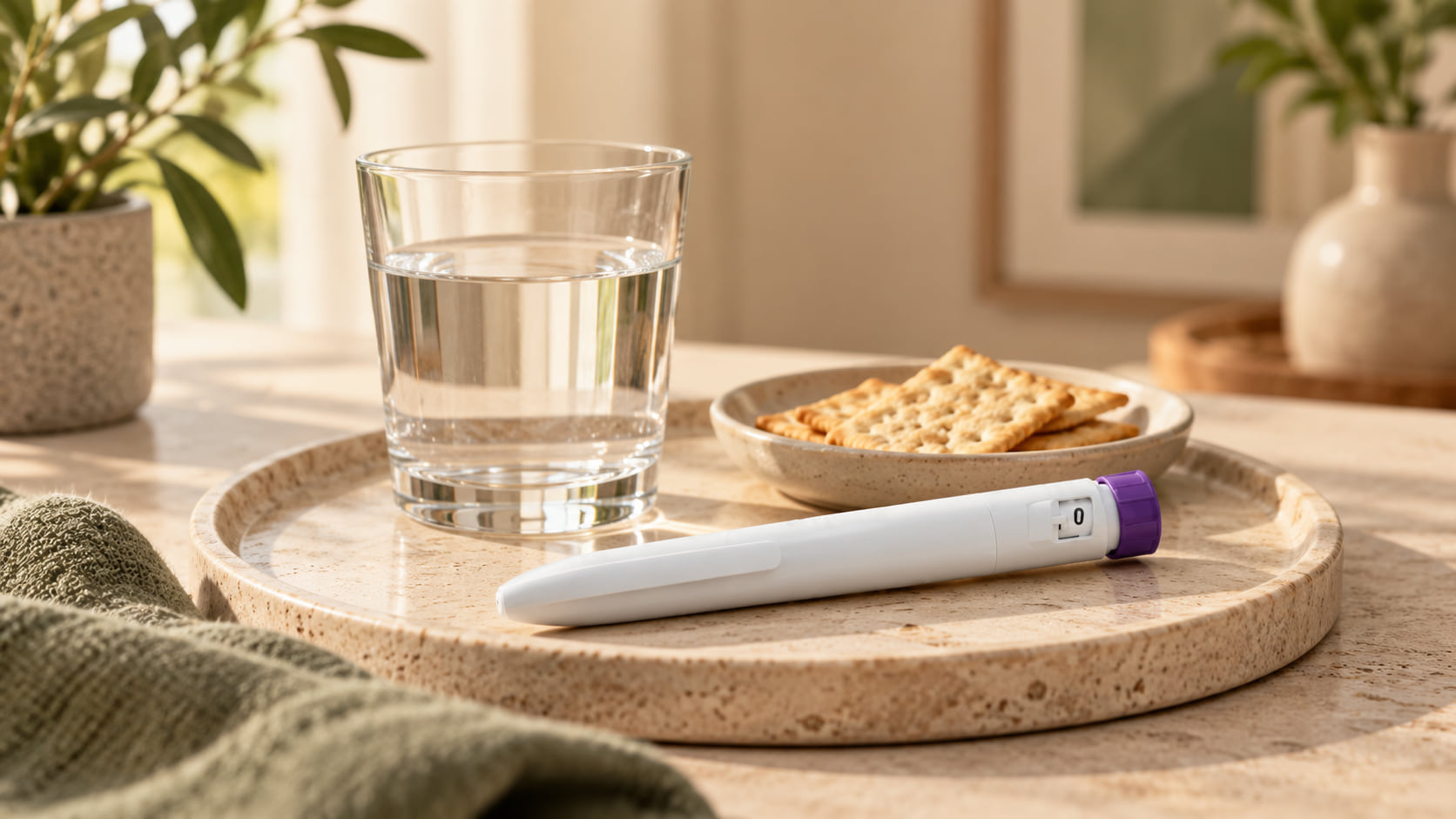
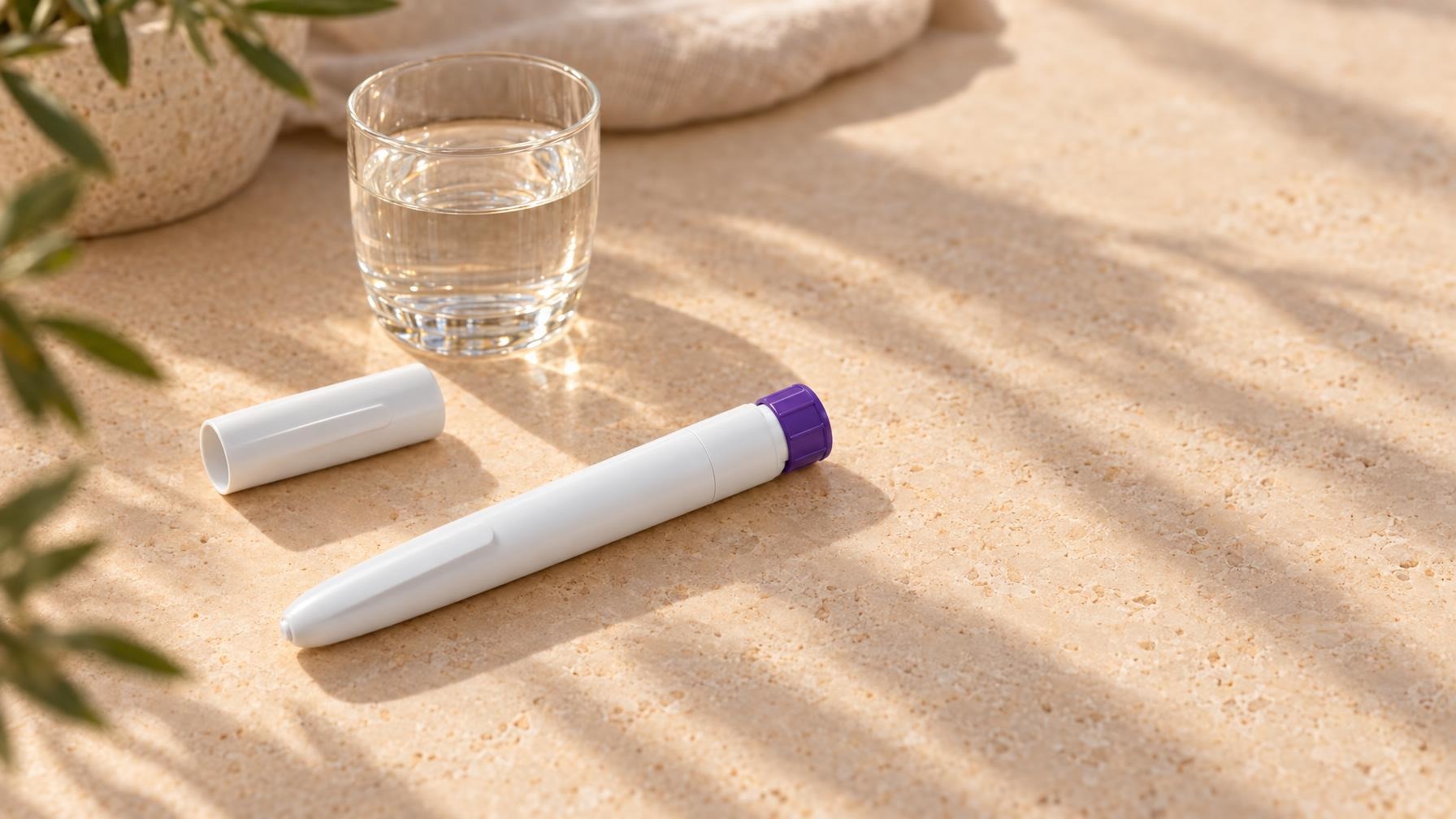
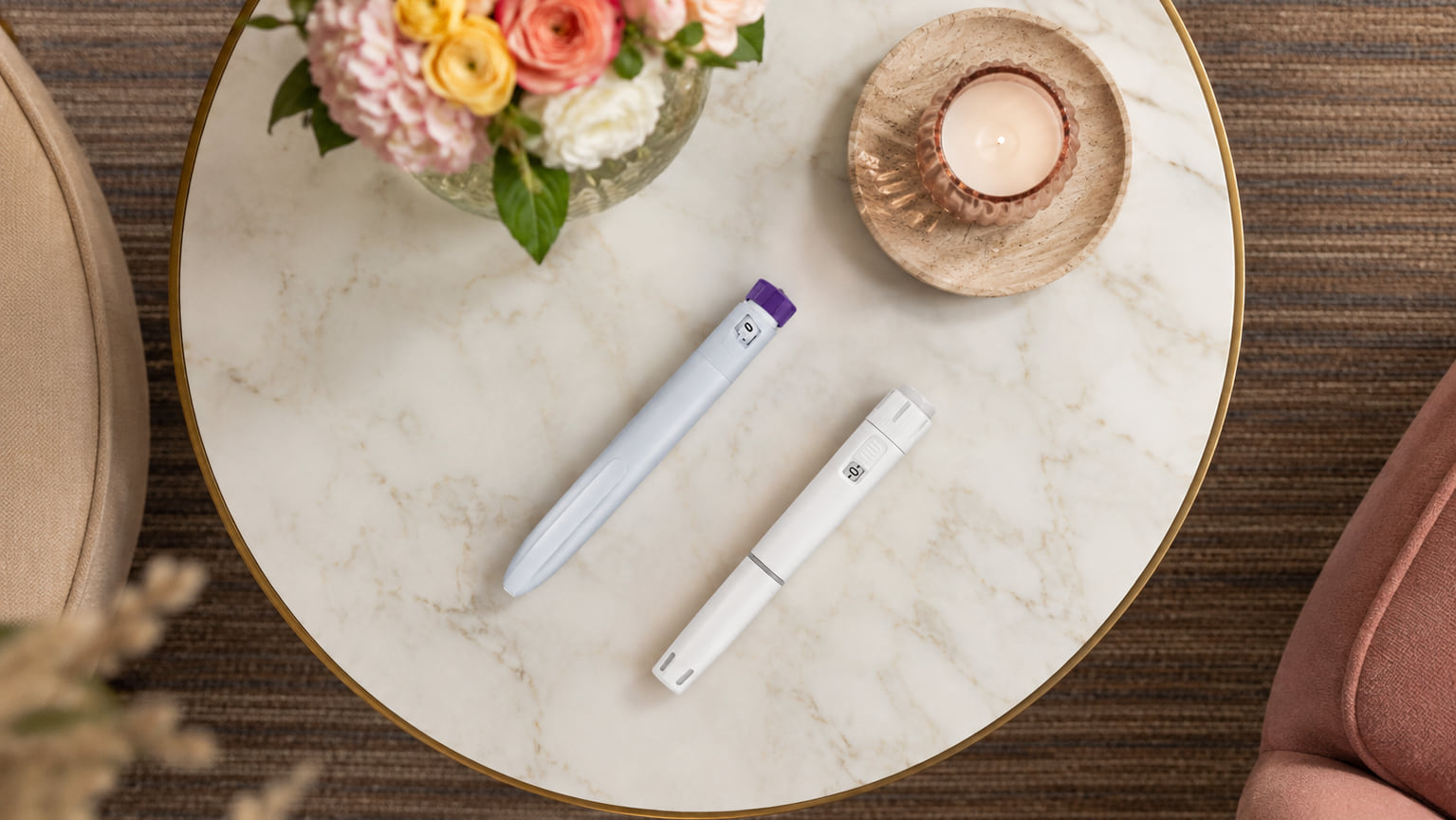
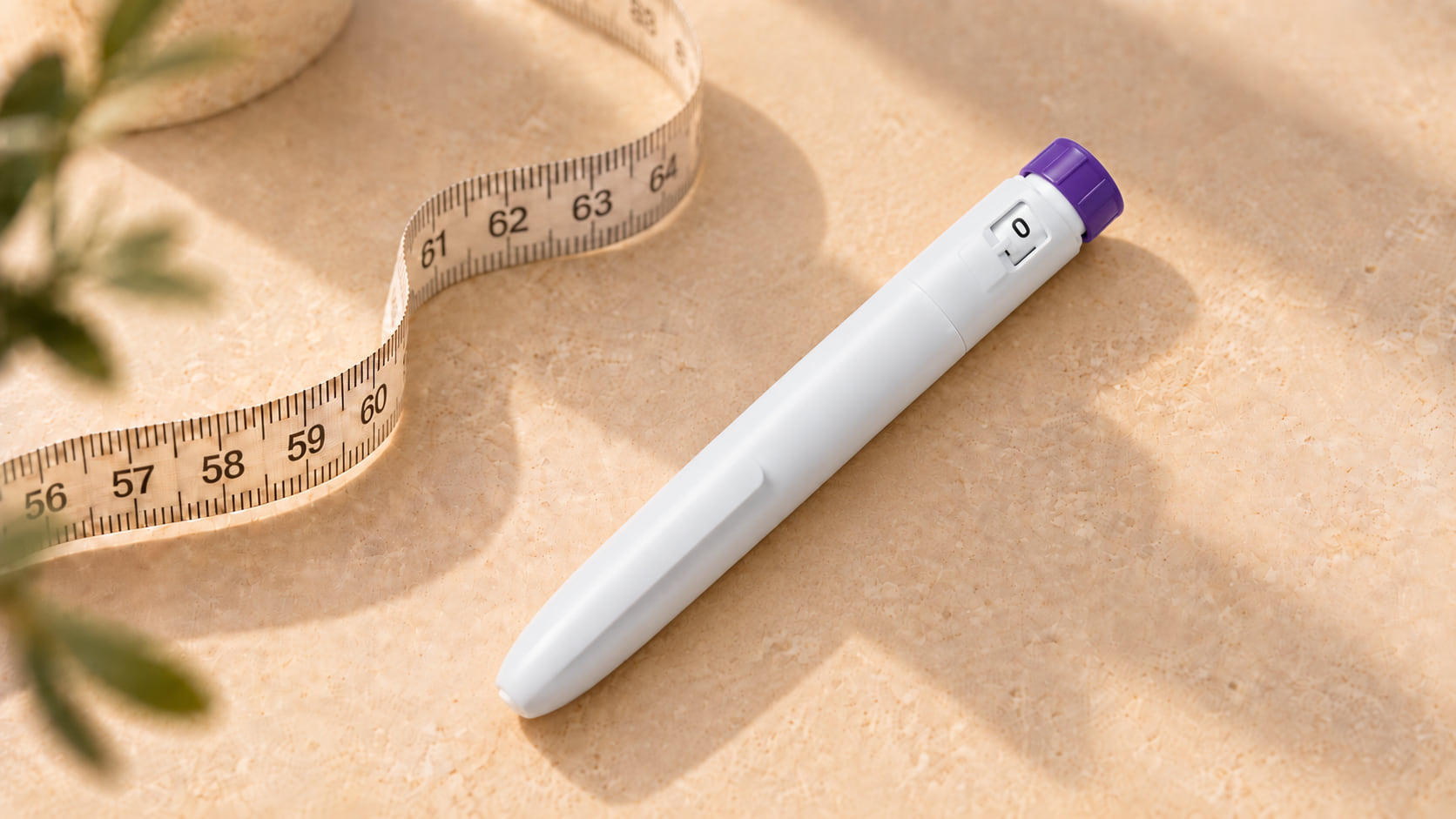
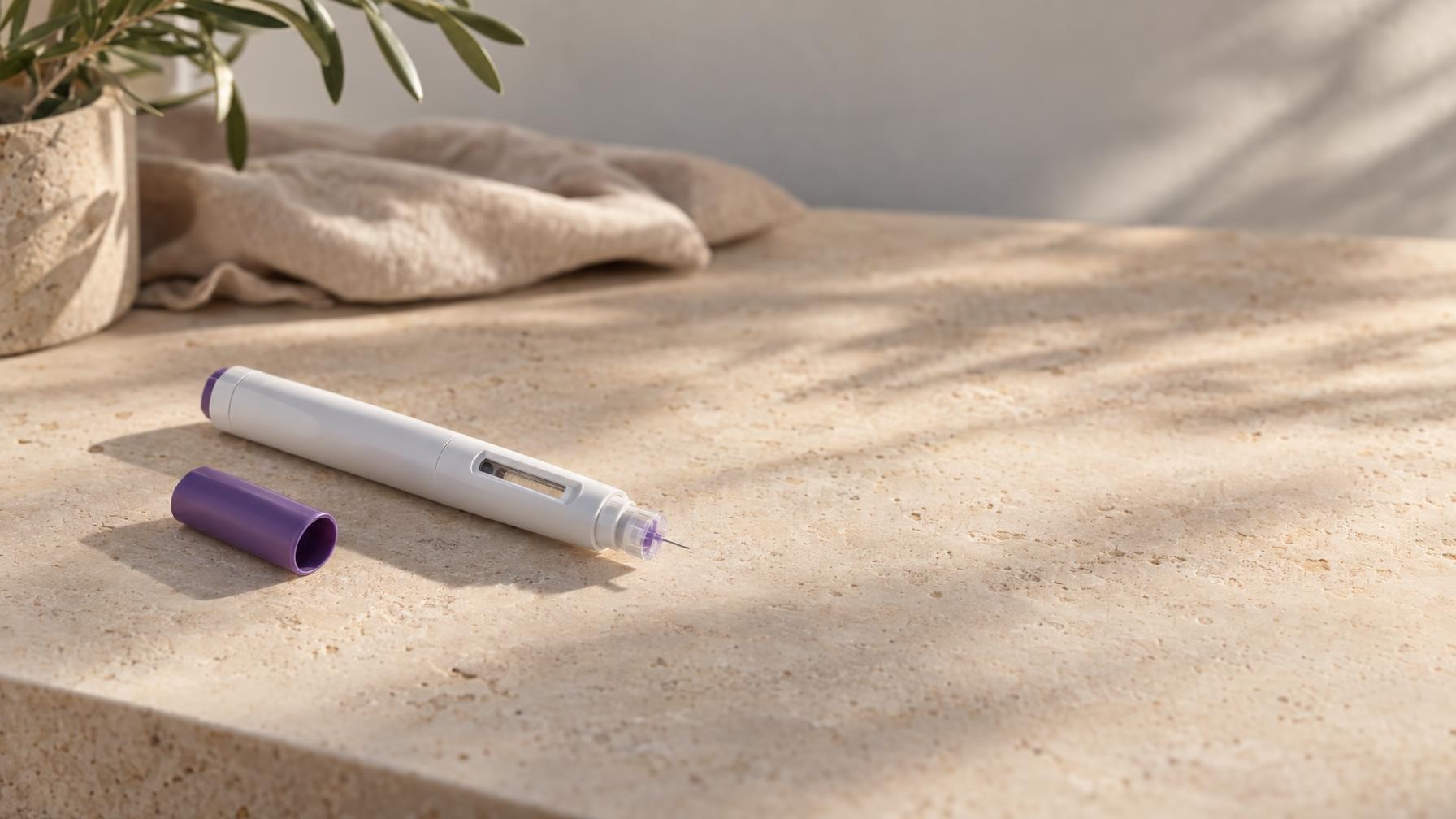
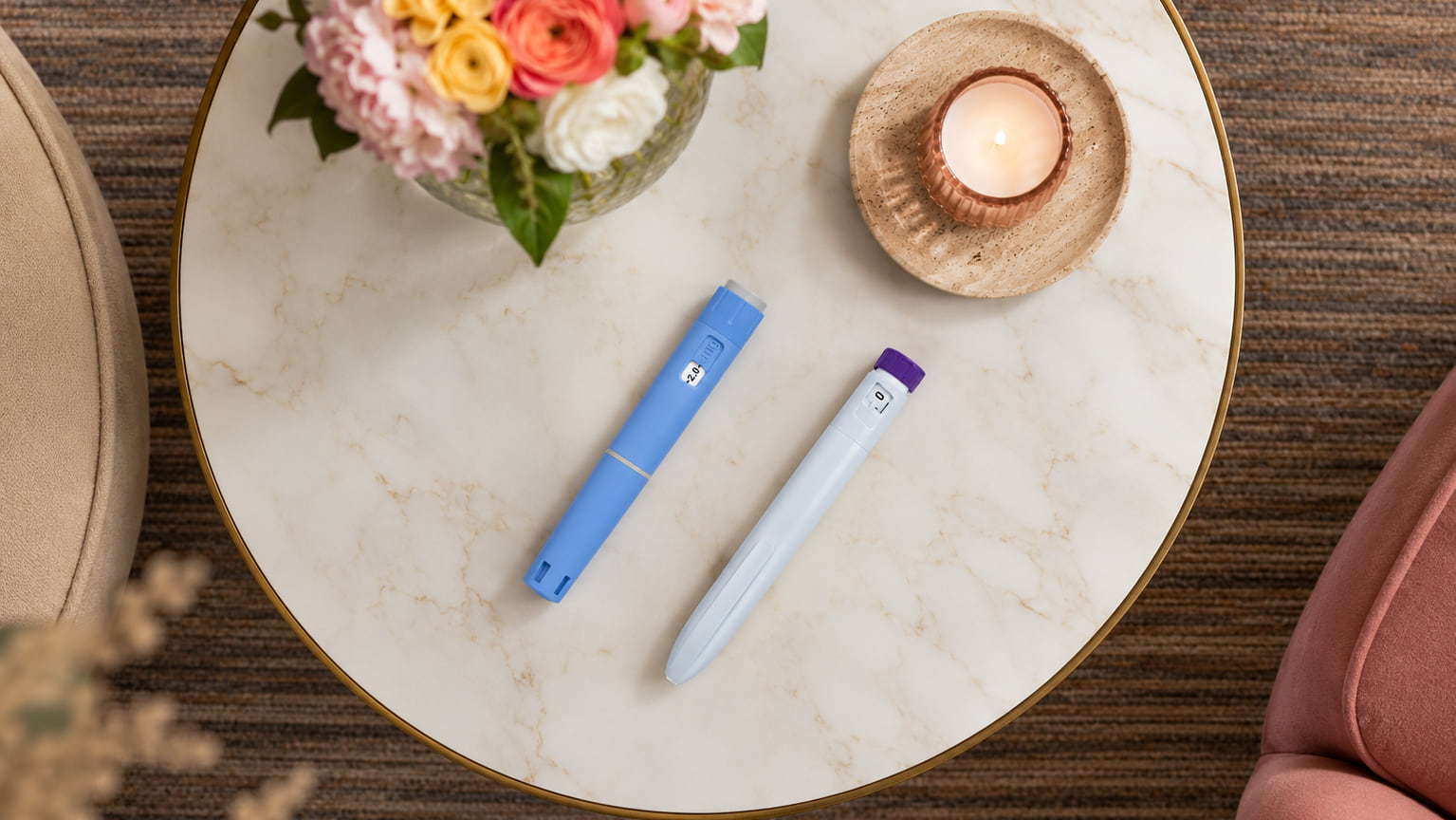
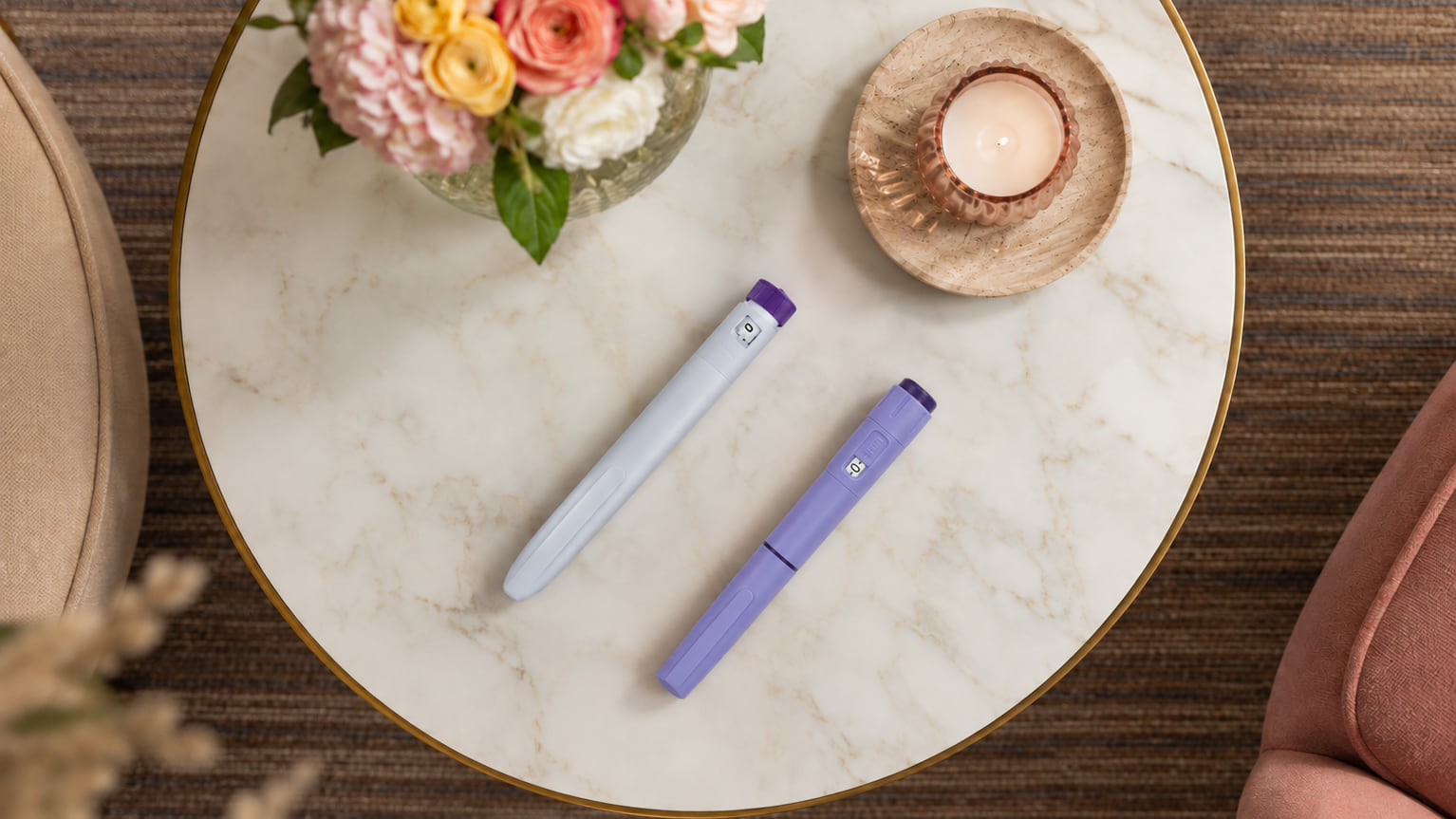
You give the injection yourself, once a week on a fixed day, in the abdomen, thigh or upper arm. Each KwikPen contains 4 weekly doses of the same strength; after 4 weeks you throw the pen away. Pen needles are not included in the pack and you get them separately from the pharmacy. Injecting, storing and travelling with the pen step by step are covered in our guide to the Mounjaro pen.
Side effects in brief
The most common side effects of Mounjaro are gastrointestinal complaints: nausea, vomiting, diarrhoea, constipation and abdominal pain. According to the Farmacotherapeutisch Kompas, these occur in more than 1 in 10 users, as does fatigue. They mainly occur in the first weeks and after each dose increase, and usually decrease after that.
Reported less often are heartburn, burping, a bloated feeling, dizziness due to lower blood pressure, hair loss and redness at the injection site. Rare but serious are gallstones and inflammation of the pancreas. If you have severe, persistent abdominal pain, contact your doctor immediately. In combination with insulin or certain diabetes tablets, your blood sugar can drop too low.
Most complaints can be eased with small adjustments: smaller portions, limiting fat and alcohol, drinking enough. What you can do for each complaint and when you should call is covered in our overview of Mounjaro side effects.
What can you expect?
How much weight you lose with Mounjaro varies from person to person; what research shows is an average. In the SURMOUNT-1 trial (Jastreboff et al., New England Journal of Medicine, 2022), 2,539 adults with obesity received 5, 10 or 15 mg of tirzepatide or a placebo weekly for 72 weeks, alongside support with diet and exercise. The tirzepatide groups lost an average of 15% to 21% of their body weight, depending on the dose; the placebo group lost 3.1%.
The same trial also shows that the effect is not the same for everyone. A small group of participants lost less than 5%. Your health, your eating pattern, your sleep and the dose you tolerate together determine how it goes for you. When you will see the first kilos go and what pace is responsible is covered in how fast Mounjaro works. What users notice in practice, from the first weeks to the maintenance phase, is in Mounjaro reviews.
If you are not getting results, the dose is usually the first thing to look at, together with your doctor. The causes and solutions are in our article on not losing weight on Mounjaro. Never stop on your own: after stopping, your appetite returns, and in research most people regained weight. How to stop sensibly and maintain your weight is covered in tapering off Mounjaro.
Want to know whether medical weight loss is right for you? Your own BIG-registered doctor (the BIG register is the Dutch register of healthcare professionals) assesses your situation and supports you from intake to maintenance. medical weight loss with injections →
Costs and reimbursement
For weight loss, you pay for Mounjaro yourself. The pharmacy price per KwikPen (4 weekly doses) according to the cost overview of the Farmacotherapeutisch Kompas, consulted on 23 September 2026, excluding the pharmacy dispensing fee (aflevertarief):
| Strength | Pharmacy price per pen (4 weeks) |
|---|---|
| 2.5 mg (starting dose) | €176.57 |
| 5 mg | €245.54 |
| 7.5 mg and 10 mg | €343.42 |
| 12.5 mg and 15 mg | €419.46 |
On top of this come the costs of pen needles, the consultation and the medical supervision. At Qlinic, a programme with tirzepatide (Mounjaro) costs €350 per month, plus a one-off €400 supervision fee. This includes the prescription, home delivery through a registered Dutch pharmacy and supervision by your own doctor. The monthly price depends on the medication the doctor prescribes. The full calculation, also for 3 and 6 months, is in our article on the Mounjaro price.
Reimbursement from basic health insurance (basisverzekering) is only available for type 2 diabetes, under conditions. For obesity, Mounjaro is currently not covered. Zorginstituut Nederland is assessing in 2026 whether that will change, using a phased approach: first for people with a BMI of 30 or higher with a weight-related condition, or a BMI of 35 or higher, after a lifestyle programme. The first discussion is scheduled for 5 October 2026; no advice has been published yet (as of 23 September 2026). What this means for you is covered in Mounjaro insurance coverage and in the broader overview weight loss medication covered by insurance.
Buying Mounjaro: only through the legal route
In the Netherlands you can only buy Mounjaro on prescription from a doctor, through a registered pharmacy. That route has three steps: a doctor assesses whether the medicine is right for you, writes a prescription and a pharmacy supplies the pen. With an online clinic this happens with home delivery; with your GP (huisarts) you collect the pen yourself.
A GP is allowed to prescribe Mounjaro, but for overweight without diabetes often does not. The Dutch GP guideline only gives medication a place after a lifestyle programme. What your GP can and cannot do is covered in our article on weight loss medication from your GP.
Offers without a prescription, through foreign webshops, Marktplaats (the Dutch classifieds site) or "peptide" sellers, are illegal and risky: you do not know what is in the pen and nobody checks whether it is safe for you. How to recognise a reliable offer and how the prescription reaches the pharmacy is covered in buying Mounjaro.
Mounjaro compared with Ozempic, Wegovy and Saxenda
Mounjaro differs from the other three medicines in active ingredient and mechanism: tirzepatide acts on GIP and GLP-1, the others on GLP-1 only. All four are prescription medicines that you inject yourself. As of September 2026:
| Mounjaro | Ozempic | Wegovy | Saxenda | |
|---|---|---|---|---|
| Active ingredient | tirzepatide | semaglutide | semaglutide | liraglutide |
| Acts on | GIP and GLP-1 | GLP-1 | GLP-1 | GLP-1 |
| Injection | once a week | once a week | once a week | once a day |
| Dosage | 2.5 to 15 mg | 0.25 to 2 mg | 0.25 to 2.4 mg | 0.6 to 3 mg |
| Registered for | type 2 diabetes and weight management | type 2 diabetes | weight management | weight management |
| Covered for weight loss | no | no | no | small group, under strict conditions |
In the only head-to-head trial, SURMOUNT-5 (New England Journal of Medicine, 2025), adults with obesity lost more weight on average after 72 weeks with tirzepatide than with semaglutide. There too, the differences between individuals were large, and the side effects were comparable. Which medicine is right for you depends on your health, previous use, how well you tolerate it and the costs. The doctor assesses this.
The comparisons per medicine are in separate articles: Mounjaro vs Ozempic, Wegovy vs Mounjaro and Saxenda vs Mounjaro. You will find the background on each medicine on our pages about Ozempic, Wegovy and Saxenda.
Diet and alcohol alongside Mounjaro
Mounjaro works best with food that suits a smaller appetite: enough protein to preserve muscle mass, fibre, and small portions that do not overload your stomach. Fatty and heavily spiced food makes nausea worse during the build-up phase. A concrete weekly menu and recipes are in our article on a Mounjaro diet plan.
Alcohol and Mounjaro have no known interaction, but alcohol provides empty calories, worsens stomach complaints and, with diabetes medication, increases the risk of low blood sugar. What is sensible at a party or on holiday is covered in Mounjaro and alcohol.
How it works at Qlinic
At Qlinic you only use Mounjaro within the medical weight loss with injections programme, supervised by your own BIG-registered doctor. You start with the eligibility check and a consultation. The doctor assesses whether medical weight loss is right for you and which weight loss medication is the best choice in your situation.
If it is right for you, the doctor writes the prescription and a registered Dutch pharmacy delivers the medication to your home. Every 4 weeks you have a follow-up with the same doctor: about your weight, your dose and any side effects. In between, you can get in touch directly if you have complaints. You can always pause or stop, in consultation with your doctor. The structure of the programme is set out on the page medical weight loss with injections.
Tried everything and still not losing weight? Take the check and find out in a few minutes whether a consultation makes sense. eligibility check →
Frequently asked questions about Mounjaro
What is the difference between Ozempic and Mounjaro?
Mounjaro contains tirzepatide and acts on two gut hormones (GIP and GLP-1); Ozempic contains semaglutide and acts on GLP-1 only. Ozempic is registered for type 2 diabetes, Mounjaro for type 2 diabetes and weight management. You inject both once a week.
Which is better, Ozempic or Mounjaro?
In the SURMOUNT-5 trial, tirzepatide (Mounjaro) led to more weight loss on average after 72 weeks than semaglutide. Still, "better" is personal: your health, how you tolerate the medicine and the costs determine the choice. The doctor assesses this.
What does Mounjaro do to your body?
Mounjaro mimics the gut hormones GLP-1 and GIP. As a result your appetite decreases, your stomach empties more slowly and your blood sugar stays more stable. You eat less without being constantly hungry, and lose weight as a result. Gastrointestinal complaints in the first weeks are part of getting used to it.
How quickly do you lose weight with Mounjaro?
You often notice fewer cravings in the first week; most people see a clear difference on the scales after 4 to 8 weeks, around the step up from 2.5 to 5 mg. In the SURMOUNT-1 trial, participants lost an average of 15% to 21% in 72 weeks, depending on the dose. The pace differs from person to person.
What does Mounjaro cost?
At the pharmacy, a KwikPen with 4 weekly doses costs €176.57 (2.5 mg) to €419.46 (12.5 and 15 mg), excluding the dispensing fee (Farmacotherapeutisch Kompas, 23 September 2026). At Qlinic, a programme with tirzepatide (Mounjaro) costs €350 per month, plus a one-off €400 supervision fee.
Can a GP prescribe Mounjaro?
Yes, a GP is allowed to prescribe Mounjaro. For type 2 diabetes this happens regularly; for overweight without diabetes, GPs are cautious and usually refer you to a lifestyle programme first. An online clinic with its own doctors is the other legal route.
Who is Mounjaro intended for?
For adults with a BMI of 30 or higher, or of 27 to 30 with a weight-related condition such as high blood pressure or type 2 diabetes. Whether medical weight loss is right for you is assessed by the doctor based on your health and the medicines you use.
Is Mounjaro also available as a pill?
No. In the EU, tirzepatide is only registered as a weekly injection (as of September 2026). Tablets offered as "Mounjaro pills" do not contain tirzepatide or are not a registered medicine. A tablet with a different active ingredient, Rybelsus, does exist; whether it is right for you is assessed by the doctor.
What is the golden dose of Mounjaro?
The "golden dose" is the residual liquid left in the KwikPen after 4 doses. Using that extra dose is not in line with the patient information leaflet: the amount is not controlled. Why that residue is there and what the risks are is covered in Mounjaro golden dose.
Medical weight loss with injections at Qlinic
Your own doctor assesses which medication suits you, in English or Dutch. If it is suitable, the prescription goes straight to a registered Dutch pharmacy and you are in touch with the same doctor every four weeks.
Sources
- European Medicines Agency (EMA), consulted at the time of publication.
- Farmacotherapeutisch Kompas, consulted at the time of publication.
- SURMOUNT-1 trial, consulted at the time of publication.
- Zorginstituut Nederland, consulted at the time of publication.
Responsible for this information: Qlinic B.V., Markenhaven 25A, Amersfoort. Last updated: 23 September 2026.
All articles about Mounjaro
17 articles, written and medically reviewed by the Qlinic doctors. Choose a topic or search for a word.
17 articles found


Further reading

Mounjaro · 10 min
Mounjaro diet plan: what to eat and what to avoid, with a daily menu and recipes
By Nazanin Ahmadi Mozafari, doctor
Mounjaro · 10 min
Stopping Mounjaro: tapering off, what happens and how to keep the weight off
By Nazanin Ahmadi Mozafari, doctor
Mounjaro · 9 min
Tirzepatide: the active substance in Mounjaro
By Nazanin Ahmadi Mozafari, doctor