
Ozempic7 min read12 August 2026
Is Ozempic dangerous? A clear overview of Ozempic side effects
You are considering Ozempic because losing weight through diets and exercise isn't working, but the stories about side effects are holding you back. That is a sensible question to ask first. Below you can read which side effects are to be expected, which signs call for action and how medical supervision keeps the risks small.
 By Nagita Grover-Khatri
 Medically reviewed by Nazanin Ahmadi Mozafari
Is Ozempic dangerous? The short answer
When used correctly under a doctor's supervision, Ozempic is not dangerous, but it is not a harmless medicine either. Most side effects are mild and temporary, such as nausea and diarrhoea. Rare serious side effects do occur. Without a prescription or medical monitoring, however, using it is risky. Read more about Ozempic and exercise.
What is Ozempic (semaglutide)?
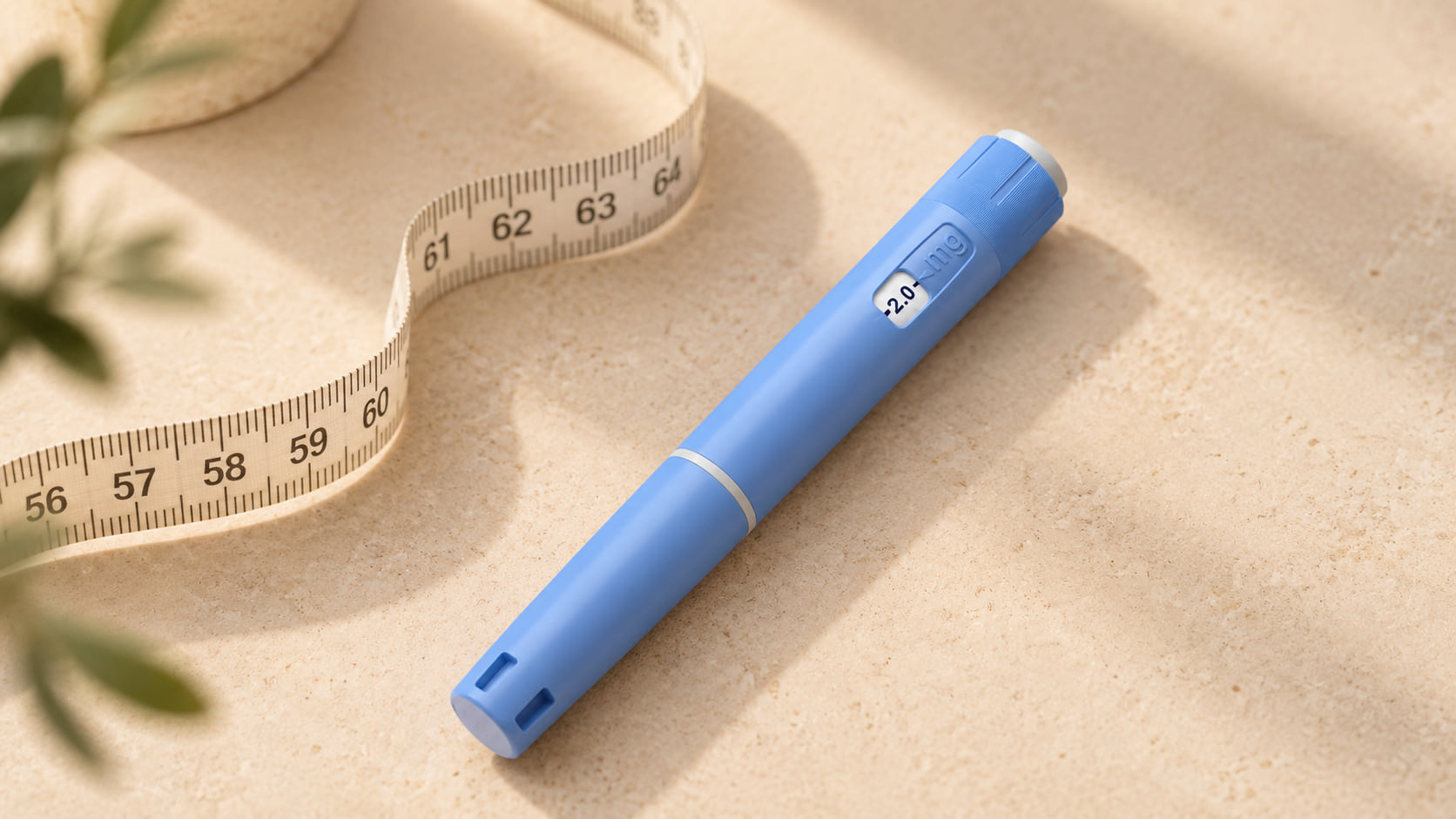
Ozempic is a medicine with the active ingredient semaglutide, developed for people with type 2 diabetes. It mimics the gut hormone GLP-1: your blood sugar stays more stable, your stomach empties more slowly and your appetite decreases. Because of that last effect, the medicine became known worldwide as an aid to weight loss.
Semaglutide has been approved in the European Union since 2018 and in the Netherlands it is available on prescription only. For weight loss without diabetes, the same active ingredient is registered under the name Wegovy. In both cases, a doctor first assesses whether the medicine is right for you.
Ozempic side effects: from mild to serious
The most common side effects of Ozempic are gastrointestinal: nausea, diarrhoea, constipation, vomiting and abdominal pain. They mainly occur in the first weeks and after a dose increase, because your body needs to adjust. For most users the symptoms ease after that. You will find the full list in the official patient information leaflet from the College ter Beoordeling van Geneesmiddelen (CBG, the Dutch Medicines Evaluation Board).
The reports to Bijwerkingencentrum Lareb (the Netherlands Pharmacovigilance Centre) show that the medicine deserves serious attention: more than 1,000 reports about semaglutide and the similar liraglutide, of which more than 100 concerned serious side effects such as inflammation of the gallbladder.
| Side effect | Mild or serious | What you can do |
|---|---|---|
| Nausea and reduced appetite | Mild, usually temporary | Eat smaller portions and limit fatty or heavy food |
| Diarrhoea or constipation | Mild, usually temporary | Drink enough; if the symptoms persist, talk to your doctor |
| Vomiting and abdominal pain | Mild to unpleasant | Call your doctor if vomiting persists, also to prevent dehydration |
| Fatigue or dizziness | Mild | Give your body time, especially at the start and after a dose increase |
| Gallstones or gallbladder inflammation | Serious, rare | Contact your doctor if you have pain in the upper right of your abdomen |
| Inflammation of the pancreas | Serious, rare | Seek medical help immediately for severe abdominal pain that radiates to your back |
| Severe allergic reaction | Serious, very rare | Call 112 (the emergency number) immediately if you have difficulty breathing or swelling of the face or throat |
If you use Ozempic to lose weight, the side effects are no different from those with diabetes. Ozempic belongs to the GLP-1 medicines and you see these symptoms across the whole group; you will find a broader overview in our article on GLP-1 side effects.
Worried about the side effects? At Qlinic you have one BIG-registered doctor of your own who follows your programme, with a follow-up every 4 weeks. Take the eligibility check →
Is Ozempic bad for your organs?
No, there is no evidence that Ozempic damages your organs when used correctly. The rare serious side effects do, however, affect organs: the pancreas (inflammation), the gallbladder (gallstones) and in exceptional cases the kidneys, usually through severe dehydration after prolonged vomiting or diarrhoea.
As for the eyes, the CBG reported in 2025 that the eye condition NAION is a very rare side effect of semaglutide: it occurs in about 1 in 10,000 users. This is exactly why a doctor checks your health beforehand and keeps a close eye on you during use. If you have previously had problems with your pancreas or gallbladder, always mention this at the intake.
What does Ozempic do in the long term?
Semaglutide has been used in Europe since 2018 and has been followed in large studies for years, so far without unexpected long-term problems. The European Medicines Agency (EMA) also monitors its safety continuously; after investigation, for example, no causal link was found between GLP-1 medicines and low mood or dark thoughts. Read more about Ozempic and your mood.
At the same time, some caveats apply: Thuisarts.nl (the Dutch GP association's patient website) states that the effects over the very long term are still partly unknown and that you may gain weight again after stopping, because the feeling of hunger returns. Something else you may notice: people who lose a lot of weight quickly can get a thinner or more tired-looking face. This is known as Ozempic face and is not a side effect of the medicine itself, but a result of rapid weight loss.
Is Ozempic dangerous without diabetes or without a prescription?
Without diabetes, semaglutide can be safe, but only via a doctor. The active ingredient has been studied extensively in people with significant overweight without diabetes and has been approved for that group as Wegovy. A doctor decides whether medication is right for you, which dose you start on and how you build up.
Without a prescription it is a completely different story: then Ozempic is dangerous. Nobody checks whether the medicine is safe for you, and counterfeit pens with unknown contents are circulating through illegal webshops and social media. So never buy the medicine without a prescription. You can read how the legal route works, from doctor to registered pharmacy, in our article on buying Ozempic.
Safe weight loss with medical supervision
The difference between risky and responsible use of Ozempic lies almost entirely in the supervision. A doctor checks beforehand whether the medicine is right for you, increases the dose gradually and intervenes if side effects become too much. If the scales won't budge despite diets and exercise, first read why you can't lose weight: hormones and hunger often play a bigger role than willpower.
This is how we have set it up at Qlinic:
- One BIG-registered doctor of your own who knows you and your file
- Follow-up every 4 weeks with your own doctor, precisely so side effects can be discussed in good time
- Home delivery of your medication
- Stopping or pausing is always something you discuss together with your doctor
The programme mainly takes away the feeling of hunger; you usually notice the first effect after about 4 weeks. Want to know more about the approach? Read on about medical weight loss with injections.
Want to lose weight with a doctor who really knows you? Find out, without obligation, whether medical weight loss under the supervision of our own doctor is right for you. Take the eligibility check →
Frequently asked questions about Ozempic side effects
Can you die from Ozempic?
When used on prescription and monitored by a doctor, the chance of dying from Ozempic is extremely small. Serious complications such as inflammation of the pancreas are rare and treatable if caught in time. The biggest risks arise with illegal or counterfeit pens without medical monitoring.
Is Ozempic really that bad?
No. Most users experience at most temporary gastrointestinal symptoms. Stories about danger often concern use without a prescription, building up the dose too quickly or counterfeit products. Ozempic is an extensively studied medicine that can be used safely under a doctor's supervision, although it is not a miracle cure. Read more about how fast Ozempic works.
What are the side effects of Ozempic 1 mg?
The same as with lower doses: mainly nausea, diarrhoea, constipation and fatigue. Because 1 mg is a higher dose, the symptoms can be somewhat stronger. That is why a doctor increases the dose step by step, so your body can adjust.
Are there Ozempic pills and what are the side effects?
Ozempic itself only exists as an injection pen. The active ingredient semaglutide is, however, available as a tablet under the name Rybelsus. The side effects are similar: mainly gastrointestinal symptoms such as nausea, which usually ease after the first weeks.
What happens when you stop taking Ozempic?
The feeling of hunger returns after stopping and, without a plan, many people gain weight again. You can always stop or pause, but do so in consultation with your doctor. Together you then look at how to maintain your result, for example with diet and exercise.
Responsible for this information: Qlinic B.V., Markenhaven 25A, Amersfoort. Published: 12 August 2026. This article is general information and does not replace personal medical advice.
About the author
Nagita Grover-Khatri
Doctor · BIG 39912467601
Focuses on medical programmes for overweight, with attention to the person behind the numbers.
More about Nagita Grover-Khatri
Further reading


Weight loss medication · 8 min
GLP-1 side effects: a clear overview
By Nazanin Ahmadi Mozafari, doctor
Ozempic · 9 min
How fast does Ozempic work? What you notice week by week
By Nazanin Ahmadi Mozafari, doctor

Ozempic · 8 min
Ozempic and your mood: does it cause depression?
By Nazanin Ahmadi Mozafari, doctor