
Knowledge8 articles · Updated 30 July 2026
Weight loss during menopause
 By Nazanin Ahmadi Mozafari
 Medically reviewed by Nagita Grover-Khatri
More about weight loss during menopause
Can you lose weight during menopause?
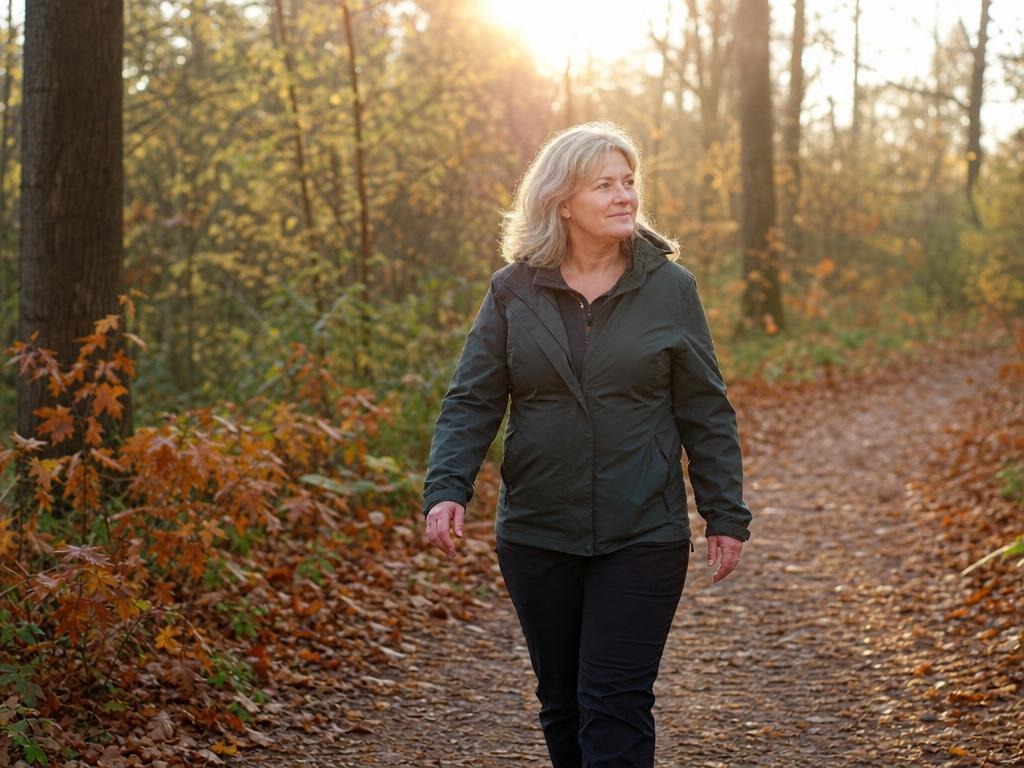
Yes, you can lose weight during menopause, but it happens more slowly. Falling hormone levels lead to less muscle mass, a slower metabolism and more belly fat. A protein-rich diet, strength training and enough sleep work best together. With a BMI of 30 or higher, medical weight loss under a doctor's supervision can make sense.
Why weight loss during menopause is harder
The main cause is the drop in the hormone oestrogen. That hormonal shift affects your whole body, and so your weight too. In practice, three things happen at once: your body stores fat more readily, especially around your waist; your muscle mass decreases, so your metabolism uses less energy at rest; and menopausal symptoms such as hot flushes and poor sleep add to your tiredness and your craving for sweet things.
So you do not have to do anything “wrong” to still gain weight. Realising this is the first step towards an approach that does suit your body as it is now; the articles at the top of this page explain how, topic by topic.
Medical weight loss during menopause
Many of our patients are in this phase. If your weight stays put after months of serious effort, that is not a lack of discipline; with a BMI of 30 or higher, your own doctor assesses whether medical weight loss suits you.
More about medical weight loss
Frequently asked questions about weight loss during menopause
What really helps with weight loss during the menopause?
Protein-rich food, strength training, enough sleep and limiting fast carbohydrates and alcohol really help with weight loss during the menopause. Crash diets backfire, because they make you lose muscle mass. If losing weight does not work despite a healthy lifestyle and your BMI is 30 or higher, medical support can be a suitable next step.
How much weight does a woman gain during the menopause?
On average, a woman gains half a kilo to a kilo a year in the years around the menopause, often four to seven kilos in total. The differences are large. Body composition also changes: fat is added, especially around the belly, while muscle mass decreases.
How do you get rid of a menopause belly?
You tackle a menopause belly with an all-round approach: protein-rich food, less alcohol and sugar, strength training combined with daily exercise, and enough sleep. Targeting belly fat with sit-ups is not possible. Belly fat does respond relatively quickly to this combination of measures.
What is best avoided during the menopause?
During the menopause, mainly limit fast carbohydrates such as biscuits, sweets, white bread and fizzy drinks, and be cautious with alcohol and highly processed foods. These encourage fat storage around the belly. Strict bans are not necessary: a balanced basic diet with room for a treat is the easiest to keep up.
Can you also lose weight unintentionally during the menopause?
Yes, unintentional weight loss also happens during the menopause, for example through reduced appetite, stress or poor sleep. If you clearly lose weight without trying, see your GP (huisarts). Unintended weight loss can also have another medical cause that needs investigating.
Does hormone therapy help you lose weight during the menopause?
Hormone therapy is not a weight loss treatment. Research by the International Menopause Society does suggest that oestrogen therapy can slow the build-up of belly fat after the menopause. Doctors only prescribe hormone therapy for menopausal symptoms such as hot flushes, not for weight loss. Always discuss the options and risks with your GP.
Sources
- Thuisarts.nl (the Dutch GP association's patient website): about the menopause, consulted at the time of publication.
- Greendale et al., JCI Insight (SWAN cohort), consulted at the time of publication.
- Davis et al., Climacteric (International Menopause Society), consulted at the time of publication.
- Wilding et al., New England Journal of Medicine (STEP 1), consulted at the time of publication.
Responsible for this information: Qlinic B.V., Markenhaven 25A, Amersfoort. Last updated: 30 July 2026.
About the author
Nazanin Ahmadi Mozafari
Doctor · BIG 59925559301
Supports you from intake to follow-up and knows your medical file, with no changing faces.
More about Nazanin Ahmadi Mozafari
Further reading
Wegovy · 7 min
Wegovy insurance in 2026: is it covered, and who comes first?
By Nazanin Ahmadi Mozafari, doctor
Ozempic · 7 min
Rybelsus cost: price per strength and per month in 2026
By Nazanin Ahmadi Mozafari, doctor
Mounjaro · 10 min
Mounjaro diet plan: what to eat and what to avoid, with a daily menu and recipes
By Nazanin Ahmadi Mozafari, doctor